

Blog
Productive vs Generative AI: Best for Home Tech or Medical?


TF2 SMARTPHONE SOLUTIONS — TECH TALK
Published: 22 July 2026 | Reading time: 10 minutes
━━━━━━━━━━━━━━━━━━━━━━━━━━━━━━━━━━━━━━━━━━━━━━━━
THE AI THAT IS QUIETLY SAVING LIVES: HOW ARTIFICIAL INTELLIGENCE IS REDESIGNING MEDICINE FROM THE GROUND UP
You think you know what AI can do. You’ve used it to write an email. You’ve asked it to recommend a film. Maybe you’ve had a heated argument with a chatbot about whether a hot dog is a sandwich. Fine. But while the world has been distracted by the conversational parlour tricks, something considerably more important has been happening in the background — in a series of laboratories, most of them in London, where a group of researchers armed with the most powerful AI ever built have been quietly working on something that has the potential to change the course of human history.
They are designing drugs. Drugs that have never existed before. And the first of them are already being tested in human beings.
This is not science fiction. This is not a speculative headline. This is what is happening right now, in 2026 — and it is one of the most extraordinary stories that most people haven’t heard in full. Settle in. Because this one builds.
━━━━━━━━━━━━━━━━━━━━━━━━━━━━━━━━━━━━━━━━━━━━━━━━
THE PROBLEM THAT STUMPED BIOLOGY FOR HALF A CENTURY
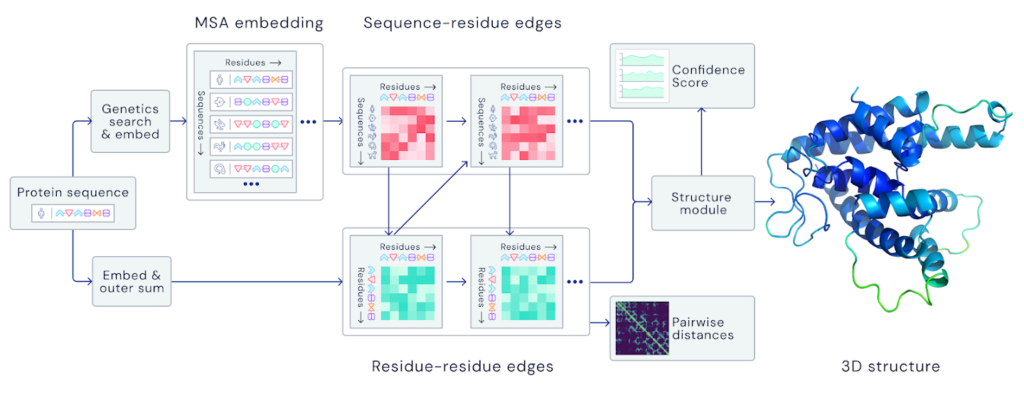
To understand why what Google DeepMind has achieved is genuinely astonishing, you first need to understand a problem that has been tormenting biologists since the 1950s. It is called the protein folding problem, and for decades it was considered one of the most intractable puzzles in all of science.
Here is the basic idea. Every cell in your body is full of proteins — tiny molecular machines that perform almost every biological function you can name. Proteins are made from chains of amino acids, and the shape that chain folds into determines what the protein does. A protein that folds incorrectly is the difference between a healthy cell and a diseased one. Misfolded proteins are implicated in Alzheimer’s disease, Parkinson’s disease, type 2 diabetes, and dozens of cancers.
The reason this matters enormously for drug design is straightforward: if you want to design a drug that interacts with a specific protein — blocking it, activating it, or altering it — you need to know its three-dimensional shape in extraordinary detail. Traditionally, determining that shape required a technique called X-ray crystallography, which involved growing protein crystals and bombarding them with X-rays. It was slow, expensive, and frequently failed. Some proteins took decades to resolve. In the entire history of biology, only around 170,000 protein structures had been experimentally determined by the time the 2010s drew to a close.
170,000 structures. Painstakingly gathered over decades. And there are estimated to be around 200 million distinct proteins in the known universe of life on Earth.
The gap between what we knew and what we needed to know was, quite literally, incalculable.
━━━━━━━━━━━━━━━━━━━━━━━━━━━━━━━━━━━━━━━━━━━━━━━━
ENTER ALPHAFOLD — AND THE MOMENT EVERYTHING CHANGED
In November 2020, Google DeepMind’s AlphaFold 2 entered a competition called CASP — the Critical Assessment of Protein Structure Prediction, a biennial scientific challenge that has been running since 1994. Researchers submit their best attempts to predict protein structures, and results are compared against experimentally verified answers.
AlphaFold 2 didn’t win. It obliterated the competition. It predicted protein structures with an accuracy that rivalled — and in many cases matched — experimental determination. Scientists who had spent their careers wrestling with this problem described the result in terms that are not normally associated with scientific papers. John Moult, the founder of CASP, called it “a stunning advance.” Andriy Kryshtafovych, one of the assessors, said it was “a once in a generation advance.” Eric Topol, one of the most cited medical researchers in the world, simply described it as a scientific earthquake.
Demis Hassabis and John Jumper, the two DeepMind researchers most responsible for AlphaFold’s development, were awarded the Nobel Prize in Chemistry in 2024 — recognition from the scientific community that this was not merely a clever trick, but a fundamental advance in human understanding of biology.
By 2024, the AlphaFold Protein Structure Database had grown to contain over 214 million predicted protein structures — covering nearly every catalogued protein known to science. In three years, AI had mapped more biological territory than humanity had managed in the previous five decades of concerted effort.
Let that sit for a moment.
━━━━━━━━━━━━━━━━━━━━━━━━━━━━━━━━━━━━━━━━━━━━━━━━
FROM PROTEIN MAPS TO DRUG DESIGN — THE NEXT LEAP
Knowing the shape of a protein is enormously useful. But knowing how to design a molecule that fits perfectly into that shape — like a key designed for a lock that has only just been revealed — is the far harder problem. That is the challenge that Isomorphic Labs, DeepMind’s commercial spin-off founded in 2021 and based in King’s Cross, London, has been built to solve.
Isomorphic Labs — its name a nod to the mathematical concept of isomorphism, meaning identical structure — was created with one stated ambition: to reimagine the entire drug discovery process from first principles. Not to accelerate the existing process. To replace it with something fundamentally different.
The traditional drug discovery pipeline is nightmarishly slow. From the identification of a biological target to an approved medicine typically takes 10 to 15 years and costs somewhere between one and three billion pounds per successful drug. For every drug that makes it to market, thousands of candidates are abandoned along the way. The failure rate is brutal. The cost is staggering. And for patients waiting for treatments that don’t yet exist, the timeline is often simply too long.
Isomorphic’s approach uses AI — specifically building on AlphaFold 3, which can now predict not just protein structures but how proteins interact with drugs, DNA, RNA, and other molecules simultaneously — to dramatically accelerate and improve the design phase. Their drug design engine, called IsoDDE (Isomorphic Drug Design Engine), announced in February 2026, generates candidate molecules with what researchers describe as near-perfect binding accuracy. It outperforms every publicly available tool by a wide margin.
In April 2025, Isomorphic Labs raised $600 million in its first external funding round, led by Thrive Capital, and announced partnerships with pharmaceutical giants Eli Lilly, Novartis, and Johnson & Johnson. The company, which started with 15 employees, now employs hundreds of scientists working in an environment that the company’s president, Colin Murdoch, describes with disarming directness: “There are people sitting in our office in King’s Cross, London, working and collaborating with AI to design drugs for cancer. That’s happening right now.”
━━━━━━━━━━━━━━━━━━━━━━━━━━━━━━━━━━━━━━━━━━━━━━━━
THE GOLDEN AGE THAT DEMIS HASSABIS ANNOUNCED FROM DAVOS
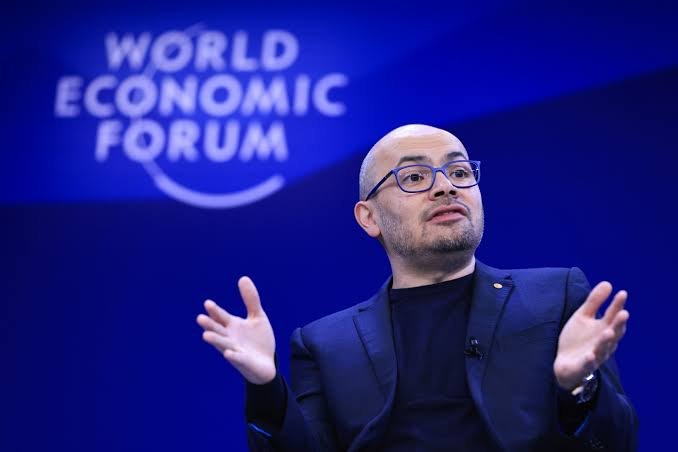
In January 2025, DeepMind CEO Demis Hassabis stood before the audience at the World Economic Forum in Davos and made an announcement that the scientific community had been waiting for. The first AI-designed drugs, developed by Isomorphic Labs, would enter Phase 1 clinical trials by the end of the year. Human trials. Real patients. The move from theoretical model to testable medicine.
“AI applied to science is a lot richer than just the language models,” Hassabis told the audience. “We and others are working on trying to design drugs with AI and with our spin-out company Isomorphic. I think we will hopefully have some AI-designed drugs in clinical trials by the end of the year — that’s the plan.”
He described the current era as the dawn of a “Golden Age of scientific discovery” — a period in which AI doesn’t just accelerate research but fundamentally alters the economics and the timeline of medical breakthroughs.
By early 2026, that plan had advanced. The confirmation came: Isomorphic Labs’ AI-designed cancer drug candidates were progressing toward Phase 1 trials, with the first expected to begin in early 2026. This is not a drug that AI helped to identify. This is a drug that AI designed. The target was identified, the molecular candidate was generated, the binding predictions were calculated, and the toxicity was assessed — all through AI systems that Isomorphic has spent years building on top of AlphaFold’s foundations.
The ambition does not stop at cancer. Hassabis has stated publicly that the ultimate goal of Isomorphic Labs is nothing less than to “solve all diseases.” Whether or not that is achievable within any of our lifetimes is a debate for another day. What is not debatable is that the company’s progress toward that goal has been startlingly rapid.
━━━━━━━━━━━━━━━━━━━━━━━━━━━━━━━━━━━━━━━━━━━━━━━━
THE FIRST AI-DESIGNED VACCINE TESTED IN HUMANS — AND IT HAPPENED IN THE UK
Here is where the story shifts from “impressive” to “genuinely historic.”
In early 2026, researchers at the University of Cambridge — working with a spin-out company called DIOSynVax — completed the world’s first human trial of an AI-designed vaccine. The vaccine, called pEVAC-PS, was developed to target a broad range of coronaviruses and was specifically designed by AI to future-proof against mutations that haven’t happened yet. Not the viruses we know. The viruses we don’t know about yet.
The trial involved 39 healthy volunteers at National Institute for Health and Care Research (NIHR) Clinical Research Facilities in Southampton and Cambridge. It was sponsored by the University Hospital Southampton NHS Foundation Trust and funded by Innovate UK. Results were published in the Journal of Infection in June 2026.
The findings: the vaccine successfully stimulated the immune system to produce antibodies that can recognise multiple types of sarbecoviruses — the family of viruses that includes the original SARS, MERS, and COVID-19. It was well tolerated at all four doses tested, with no significant safety concerns and no serious adverse events. It is the first AI-designed vaccine to be tested in human beings and to return published results.
Jonathan Heeney, a Cambridge researcher and co-author of the study, told the BBC: “This is about making vaccines that protect us, not just from today’s viruses, but protect us from what can cause the next outbreak or disease. This is a fundamental shift in how we prepare for pandemics.”
The results were described as encouraging but not definitive — the immune response was described as “modest,” the trial was small, and further work is needed to confirm how long protection lasts and whether it prevents real-world infection. These are important caveats. This is science in progress, not a finished product. But the proof of concept is there. An AI designed a vaccine against a class of viruses that may not yet exist, and that vaccine has passed its first human safety trial. This has never happened before in the history of medicine.
What makes it even more remarkable is that pEVAC-PS is a DNA vaccine rather than an mRNA vaccine — which means it does not require the tightly controlled freezing conditions that mRNA vaccines like the COVID-19 jabs needed. It is more stable, easier to store, and easier to distribute globally. For low-income countries and remote regions, that is not a minor detail. It is the difference between a vaccine that can reach the world and one that cannot.
━━━━━━━━━━━━━━━━━━━━━━━━━━━━━━━━━━━━━━━━━━━━━━━━
THE NHS IS ALREADY MOVING — 10,000 PATIENTS BY 2030
The National Health Service, which has a unique structural advantage as the world’s largest publicly funded health service, has not waited for the private sector to move first. In May 2024, NHS England launched the Cancer Vaccine Launch Pad — a platform designed to fast-track patients diagnosed with cancer into personalised vaccine clinical trials.
The first patient in England received a personalised vaccine against their bowel cancer as part of the programme. The NHS has partnered initially with BioNTech, the German biotechnology company that developed the Pfizer COVID-19 vaccine, to test mRNA-based personalised cancer vaccines. These are not preventive vaccines. They are therapeutic vaccines — designed not to stop cancer from occurring, but to train a patient’s immune system to recognise and destroy their specific cancer cells after diagnosis.
Each patient enrolled receives a unique vaccine designed and manufactured based on their individual biology. The ambition is to provide up to 10,000 patients with personalised cancer treatments in the UK by 2030. NHS Professor Peter Johnson, national clinical director for cancer, explained it plainly: “We know that even after a successful operation, cancers can sometimes return because a few cancer cells are left in the body, but using a vaccine to target those remaining cells may be a way to stop this happening.”
Trials have already begun enrolling patients, with the majority of participants expected from 2026 onwards. The programme spans bowel cancer, lung cancer, and pancreatic cancer — some of the most challenging to treat, and some of the diseases for which early treatment options remain most desperately needed.
━━━━━━━━━━━━━━━━━━━━━━━━━━━━━━━━━━━━━━━━━━━━━━━━
AI-DESIGNED CANCER VACCINES ALREADY SHOWING RESULTS
While the NHS scales up its programme, the clinical evidence from AI-designed cancer vaccines is already beginning to emerge from elsewhere in the world. In July 2025, Evaxion — a clinical-stage TechBio company — presented two-year data from its Phase 2 trial of EVX-01, an AI-designed personalised vaccine for advanced melanoma (skin cancer), at the European Society for Medical Oncology Congress in Berlin.
The results were striking. The trial showed a 69% overall response rate. Tumour target lesions were reduced in 15 out of 16 patients enrolled. There was a statistically significant correlation between the AI platform’s predictions and the actual immune responses induced in individual patients. These are not theoretical outcomes. These are real patients with real cancers, responding to vaccines designed by artificial intelligence.
The trial combined EVX-01 with pembrolizumab, an existing immunotherapy drug, suggesting that AI-designed vaccines may work most powerfully as part of combination approaches — something that would have been extraordinarily difficult to discover, test, and optimise through conventional methods within any comparable timeframe.
━━━━━━━━━━━━━━━━━━━━━━━━━━━━━━━━━━━━━━━━━━━━━━━━
THE BIGGER PICTURE — WHY THIS MATTERS SO MUCH
Take a step back and look at what has happened in the span of roughly five years. In 2020, the protein folding problem — unsolved for half a century — was cracked by a London-based AI team. By 2024, over 214 million protein structures had been mapped and made freely available to researchers globally, transforming every field from structural biology to drug discovery overnight. In 2025, the commercial arm of that same team raised $600 million and began designing cancer drugs in human trials. In 2026, the world’s first AI-designed vaccine passed its first human safety trial, tested at NHS facilities in Southampton and Cambridge, published in a peer-reviewed journal, and described by its creators as a “fundamental shift in how we prepare for pandemics.”
All of this has happened whilst most of the public conversation about AI has been about whether chatbots can write decent poetry.
The implications are staggering if you follow them through. The traditional drug discovery pipeline — that 10 to 15 year, billion-pound process — is not going away overnight. Clinical trials still take time. Regulatory approval still requires evidence. Human safety is non-negotiable at every stage. But the front end of that pipeline — the identification of targets, the design of molecules, the prediction of how a drug will bind to a protein and what side effects it might cause — that part of the process is being radically compressed. IsoDDE, Isomorphic’s drug design engine, operates at a speed and accuracy that has no human equivalent. When it works, it discovers in days what might previously have taken years.
And the UK is, remarkably, at the centre of this. Google DeepMind is a London company. Isomorphic Labs is based in King’s Cross. The AI vaccine trial was sponsored by an NHS trust in Southampton and conducted at NIHR facilities in Southampton and Cambridge. The Cancer Vaccine Launch Pad is an NHS England initiative. The Nobel Prize for the work underpinning all of it was awarded to researchers working in London. In a field that will define the 21st century’s relationship with disease, Britain has an extraordinary seat at the table.
━━━━━━━━━━━━━━━━━━━━━━━━━━━━━━━━━━━━━━━━━━━━━━━━
WHAT COMES NEXT — AND WHY YOU SHOULD BE PAYING ATTENTION
None of this means we are on the cusp of curing every disease within the decade. Clinical science does not move that fast, and it should not — the rigour of human trials, long-term safety monitoring, and regulatory oversight exists for good reasons. AI designed the vaccine candidate; it is human clinical science that is testing and validating it. Those two things work together, not in opposition.
What it does mean is that the pipeline of potential treatments — treatments for diseases that currently have none, vaccines for viruses that don’t yet exist, drugs for cancers that are currently resistant to everything we have — is being filled faster, more cheaply, and more intelligently than at any previous point in human history.
Hassabis said at Davos that we will need “half a dozen more breakthroughs of that magnitude” to reach the most ambitious goals. He is probably right. But two of those breakthroughs have already happened, and the third and fourth are being trialled in human beings right now.
The next time someone tells you that AI is just a fancy autocomplete, or that it’s all chatbots and image generators with nothing truly useful underneath — you can tell them about AlphaFold. You can tell them about Isomorphic Labs in King’s Cross, where researchers are collaborating with AI to design cancer drugs right now. You can tell them about 39 volunteers in Southampton and Cambridge who received the world’s first AI-designed vaccine and walked away unharmed, with antibodies capable of recognising viruses that haven’t yet evolved. You can tell them that the NHS intends to give 10,000 cancer patients personalised, AI-assisted vaccine treatments by 2030.
And then you can tell them that this is just the beginning.
━━━━━━━━━━━━━━━━━━━━━━━━━━━━━━━━━━━━━━━━━━━━━━━━
FROM TF2 SMARTPHONE SOLUTIONS
We are a tech repair and retail store. We fix the devices in your pocket and on your wrist, set up the smart tech in your home, and try — where we can — to make the technology in your life work better for you. We don’t design drugs. But we are fascinated by what technology is capable of, and we think the story of what DeepMind, Isomorphic Labs, and a group of Cambridge researchers have built over the last five years is one of the most important technology stories of our generation. We hope this gave you something to think about. All our repair prices are on our website — and if your phone needs attention, we’re here.
━━━━━━━━━━━━━━━━━━━━━━━━━━━━━━━━━━━━━━━━━━━━━━━━
SOURCES
Google DeepMind CEO announces AI-designed cancer drug clinical trials — Creati.ai / Davos WEF (Feb 2026)
https://creati.ai/ai-news/2026-02-14/deepmind-ai-cancer-drug-clinical-trials-2026-demis-hassabis/
Isomorphic Labs — Drug Design Engine IsoDDE announcement (Feb 2026)
https://www.researchgate.net/publication/401851761
Google DeepMind CEO: AI-designed drugs coming to clinical trials — PYMNTS (Jan 2025)
https://www.pymnts.com/artificial-intelligence-2/2025/google-deepmind-ceo-ai-designed-drugs-coming-to-clinical-trials-in-2025
AI designed drugs in trials this year, says Google DeepMind chief — Society of Chemical Industry (Jan 2025)
https://www.soci.org/news/2025/1/ai-designed-drugs-in-trials-this-year-says-google-deepmind-chief
Google DeepMind — AlphaFold: Five Years of Impact (Nov 2025)
https://deepmind.google/blog/alphafold-five-years-of-impact/
AlphaFold Protein Structure Database 2025 — NCBI / PubMed
https://www.ncbi.nlm.nih.gov/pmc/articles/PMC12807749/
Alphabet’s Isomorphic Labs prepares for human trials — Fortune / AOL (2025)
https://www.aol.com/google-deepmind-grand-ambitions-cure-130000934.html
IsoDDE and AI drug design — DeepCeutix Strategic Briefings (Mar 2026)
https://deepceutix.com/insights/proprietary-ai-drug-design
World’s first AI-designed vaccine tested in humans — ScienceAlert (Jun 2026)
https://www.sciencealert.com/worlds-first-ai-designed-vaccine-tested-in-humans-for-the-first-time
AI-designed universal vaccine candidate passes first human trial — Open Access Government (Jun 2026)
https://www.openaccessgovernment.org/ai-designed-universal-vaccine-candidate-passes-first-human-trial/210199/
Doctors inject human subjects with first AI-designed vaccine — Futurism (Jun 2026)
https://futurism.com/health-medicine/doctors-inject-human-ai-vaccine
NHS Cancer Vaccine Launch Pad — NHS England
https://www.england.nhs.uk/cancer/nhs-cancer-vaccine-launch-pad/
Thousands of NHS patients to access trials of personalised cancer vaccines — NHS England (May 2024)
https://www.england.nhs.uk/2024/05/thousands-of-nhs-patients-to-access-trials-of-personalised-cancer-vaccines/
World’s first cancer vaccine trial — World Economic Forum (Nov 2024)
https://www.weforum.org/stories/2024/11/cancer-vaccine-health-uk-nhs/
Evaxion EVX-01 Phase 2 two-year data — ESMO Congress 2025 (Jul 2025)
https://www.sec.gov/Archives/edgar/data/0001828253/000117184325004705/exh_991.htm
How AlphaFold 3 is changing drug discovery — BioTechniques / ELRIG Drug Discovery (Nov 2025)
https://www.biotechniques.com/drug-discovery-development/how-will-ai-first-drug-design-transform-human-health/
First UK patient receives lung cancer vaccine — UCLH NHS Foundation Trust
https://www.uclh.nhs.uk/news/first-uk-patient-receives-innovative-lung-cancer-vaccine
━━━━━━━━━━━━━━━━━━━━━━━━━━━━━━━━━━━━━━━━━━━━━━━━
TF2 Smartphone Solutions | Tech Talk Blog | tf2smartphonesolutions.co.uk