


NVIDIA DLSS 5: When AI Stopped Making Games Faster and Started Making Them Beautiful 🎮
By TF2 Smartphone Solutions | 25 March 2026
On 16th March 2026, during NVIDIA’s GTC conference, Jensen Huang did something utterly unprecedented. Just two months after announcing DLSS 4.5 at CES—a technology already using AI to draw 23 out of every 24 pixels on screen—he casually unveiled DLSS 5.
Not an iterative update. Not a modest refinement. A complete philosophical shift in what DLSS actually does.
For eight years, since the debut of the original DLSS alongside the RTX 2080 in 2018, the technology’s mission statement has been brutally simple: make games run faster. Upscale lower resolutions. Generate extra frames. Squeeze more performance from your GPU without destroying image quality.
DLSS 5 abandons that mission entirely.
Instead of boosting frame rates, it targets visual fidelity. According to NVIDIA, it’s their “most significant breakthrough in computer graphics since the debut of real-time ray tracing in 2018.” Jensen himself called it “the GPT moment for graphics.”
The gaming community’s reaction? A mixture of genuine awe, deep scepticism, and no small amount of existential dread about what happens when AI starts rewriting your games in real-time.
Let’s unpack what’s actually happening here. Because DLSS 5 isn’t just interesting—it’s potentially revolutionary. Or possibly disastrous. We’re still working out which.
What Actually Is DLSS 5?
Right. Before we dive into the controversy, the hardware requirements, and whether this represents the future or the apocalypse, let’s establish what DLSS 5 actually is.
The Core Technology: 3D-Guided Neural Rendering
DLSS 5 uses AI to fundamentally transform how lighting and materials appear in games. It’s not upscaling. It’s not frame generation. It’s something altogether different: real-time neural rendering.
Here’s how it works:
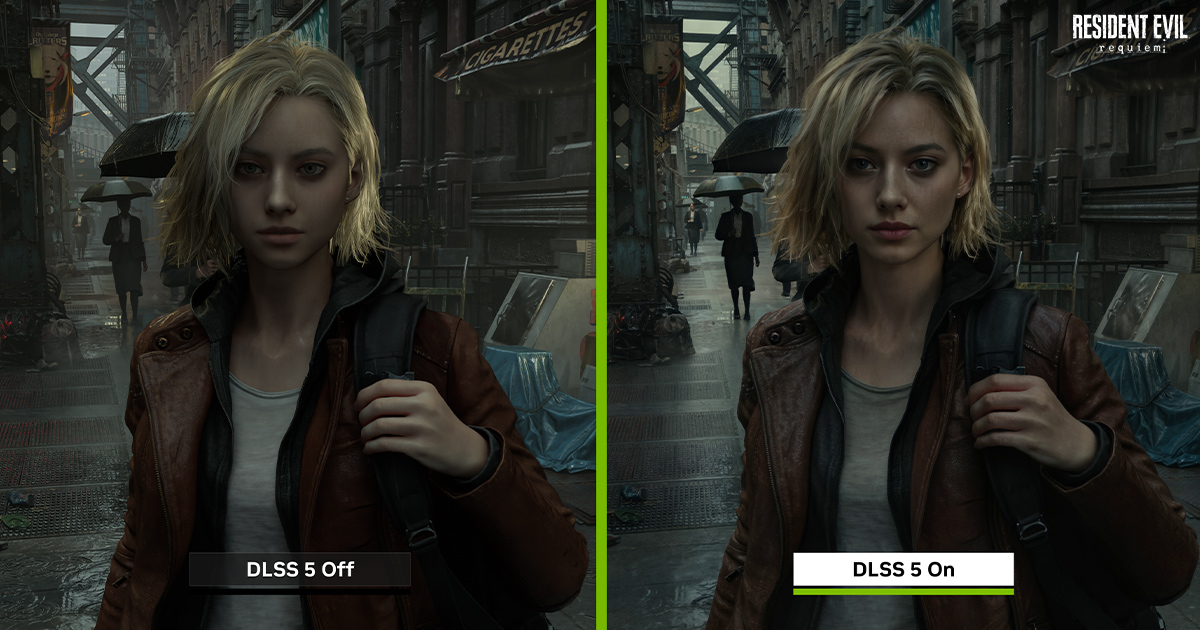
The game engine feeds DLSS 5 two things: colour information and motion vectors for each frame. That’s it. From those two inputs, DLSS 5’s AI model analyses the scene, understands what it’s looking at (characters, hair, fabric, translucent skin, environmental lighting conditions), and then generates photorealistic lighting and materials that are anchored to the game’s source content.
The AI recognises semantics. It differentiates between skin, hair, water, metal, and glass. It understands whether a scene is front-lit, back-lit, or overcast. And then it applies physically accurate lighting effects to each element—subsurface scattering on skin, the delicate sheen of fabric, light-material interactions on hair—all whilst retaining the structure and semantics of the original scene.
Crucially, it runs in real-time at up to 4K resolution. This isn’t offline rendering. This isn’t Hollywood VFX where a single frame takes hours to compute. This is happening whilst you’re playing.
What Gets Enhanced?
Everything. But specifically:
- Character models: Faces that previously looked slightly plastic now feature realistic subsurface scattering, pore detail, and natural skin tones
- Hair and fabric: Materials that traditionally struggle in real-time rendering—translucent fabrics, flowing hair—now respond to light convincingly
- Environmental lighting: Shadows, ambient occlusion, and light bouncing become dramatically more realistic
- Foliage: Particularly impressive according to Digital Foundry’s hands-on, handling light and shadow around vegetation in ways standard renderers simply can’t achieve
- Reflections and water: Surface interactions that require massive computational expense traditionally now happen through AI inference
What Doesn’t Change?
Geometry, textures, and core assets remain untouched. DLSS 5 doesn’t add polygons. It doesn’t replace low-resolution textures with high-resolution alternatives. The 3D models, the level design, the fundamental structure of the game—all of that stays exactly as the developers created it.
What changes is how light interacts with those assets. And as anyone who’s studied computer graphics knows, lighting is approximately 90% of what makes something look photoreal.
The Technical Specifications: What You Actually Need
Here’s where things get rather more complicated—and potentially controversial.
GPU Requirements 🔒
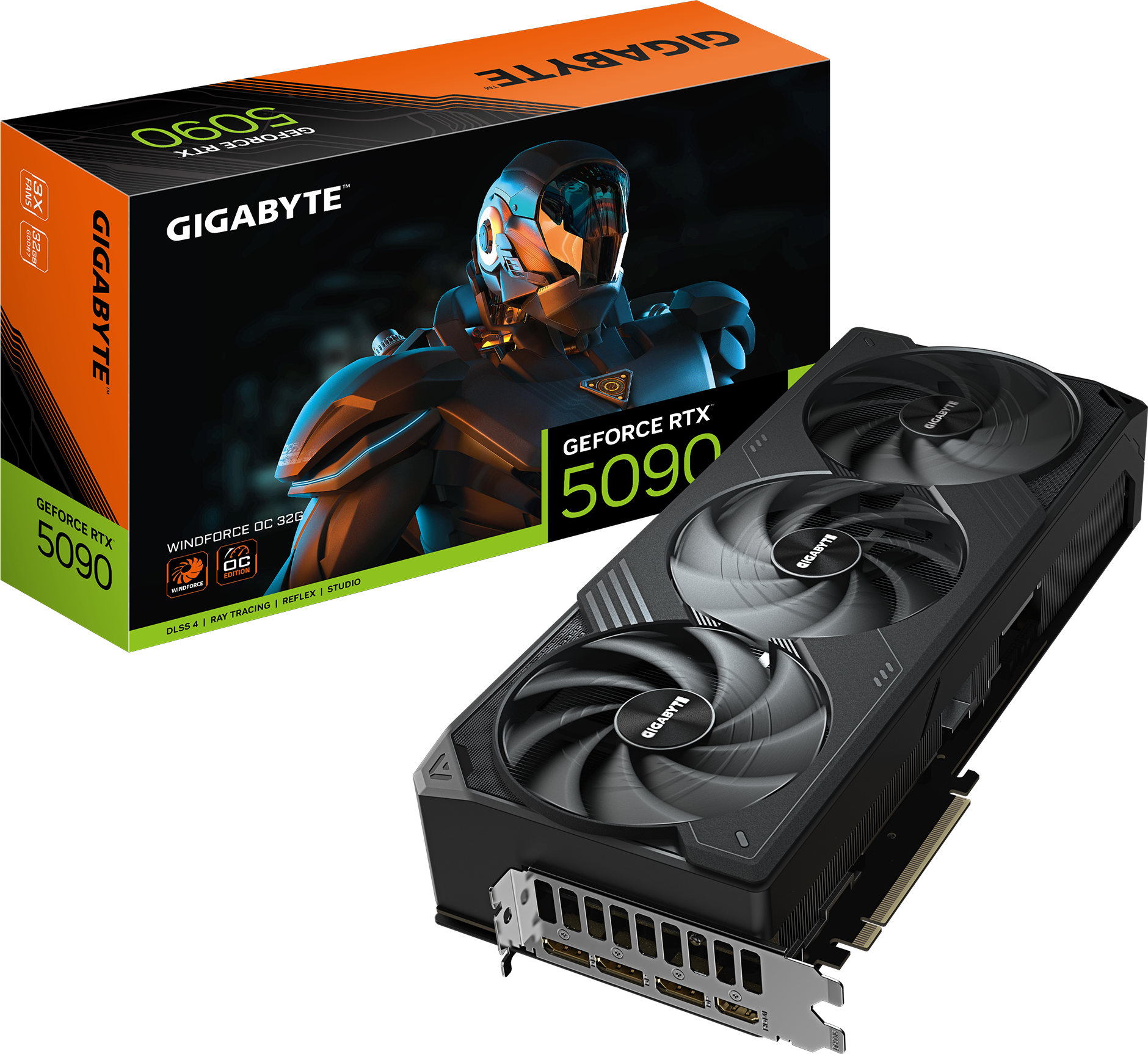
DLSS 5 is exclusive to the NVIDIA GeForce RTX 50 series. That’s the Blackwell architecture: RTX 5060, 5070, 5070 Ti, 5080, and 5090.
It will not run on RTX 40 series. It will not run on RTX 30 series. It will not run on any GPU released before January 2025.
Why? 5th-generation Tensor Cores. DLSS 5’s generative AI model requires computational capabilities that simply don’t exist in previous GPU architectures. The neural rendering workload is fundamentally different from upscaling or frame generation—it’s synthesising entirely new visual information based on scene understanding, and that requires dedicated hardware.
For context: the GTC demo ran on dual RTX 5090s—one card handling the game rendering, the second dedicated entirely to the DLSS 5 neural model. NVIDIA has stated they’re optimising it to run on a single GPU by the autumn launch, but the implication is clear: this is computationally expensive.
Software Requirements
- Release window: Autumn/Fall 2026
- Distribution: Via NVIDIA App and Game Ready Drivers (version 595.79 or newer)
- OS support: Windows 10 and Windows 11 (full support)
- RAM: Minimum 16GB recommended (the AI model needs headroom)
- CPU: Any current-generation processor (Intel Core i5 / AMD Ryzen 5 or better)
- Integration: Uses the NVIDIA Streamline framework (same as existing DLSS and Reflex technologies)
Game Support 🎮
DLSS 5 launches with support from major publishers including:
- Bethesda (Todd Howard confirmed DLSS 5 integration for Starfield and future titles)
- Capcom (Resident Evil Requiem was showcased extensively in demos)
- Ubisoft (Assassin’s Creed Shadows featured prominently)
- Warner Bros. Games (Hogwarts Legacy demonstrations)
- EA (EA Sports FC shown with DLSS 5 enhancements)
- NetEase, NCSOFT, S-GAME, Tencent, Hotta Studio
Over 750 games currently support some version of DLSS. NVIDIA hasn’t confirmed how many will receive DLSS 5 updates, but the Streamline integration framework means developers can theoretically add support relatively easily.
The Demos: What People Actually Saw
Digital Foundry, PC Gamer, Tom’s Hardware, and select press received early hands-on access to DLSS 5 running on four titles: Resident Evil Requiem, Assassin’s Creed Shadows, Starfield, and Hogwarts Legacy.
The consensus? Complicated.
What Genuinely Impressed
Environmental lighting: Scenes in Assassin’s Creed Shadows and remastered Oblivion demonstrated dramatically improved ambient occlusion and realistic shadowing. Objects felt grounded in their environments in ways the original renderer couldn’t achieve.
Materials handling: Metals, cloth, and particularly the skin of fruits (yes, really) looked remarkably realistic. Light-material interactions that typically require extensive artist time to hand-craft were being generated in real-time.
Foliage rendering: Digital Foundry specifically highlighted this. Light and shadow interactions around vegetation—something notoriously difficult even with ray tracing—were handled with impressive accuracy.
Water and reflections: Surface interactions that traditionally tank frame rates looked both realistic and ran smoothly.
What Raised Eyebrows
Character faces. Oh boy, the character faces.
Multiple outlets noted that whilst some character models looked genuinely photoreal, others entered what can only be described as uncanny valley territory. Faces appeared over-processed. Skin looked too perfect. Features seemed subtly “beautified” in ways that felt artificial.
The criticism—levelled particularly harshly on Reddit and X—was that DLSS 5 was applying “AI beauty standards” to game characters. Faces that developers had intentionally crafted with specific features, imperfections, or stylistic choices were being homogenised into something more conventionally attractive but less authentic.
PC Gamer’s headline rather bluntly stated: “DLSS 5 currently looks a lot like an AI filter.”
Tom’s Hardware’s comment section was particularly spicy: “Every one of those examples ratchets up the uncanny valley to 11… I really hope everyone just nopes out of this because it’s godawful and destroys the artistic design.”
The Controversy: Artistic Intent vs AI Enhancement
This is where DLSS 5 stops being a straightforward technical discussion and becomes something more philosophically fraught.
The Core Tension
Who decides what a game should look like?
Traditionally, the answer is simple: the artists and developers who created it. They choose the lighting. They craft the character models. They establish the aesthetic. Players experience that vision.
DLSS 5 fundamentally complicates this relationship. An AI model trained on photoreal imagery is now interpreting and enhancing developer work in real-time. Even with the intensity controls and masking options NVIDIA provides, there’s a degree of creative decision-making being handed to an algorithm.
NVIDIA’s Response
NVIDIA has repeatedly emphasised that developers maintain control. DLSS 5 provides detailed controls for:
- Intensity: How aggressively the AI enhances the scene
- Colour grading: Maintaining a game’s specific palette
- Masking: Determining precisely where enhancements apply
Artists can decide that character faces shouldn’t be touched but environmental lighting should be enhanced. They can dial back the photorealism to maintain stylistic consistency. They have, theoretically, granular control.
The Sceptical View
Critics argue that even with controls, the fundamental act of AI reinterpretation changes the work. A character designed with a specific face—perhaps weathered, asymmetrical, or featuring distinctive imperfections that convey personality—gets “enhanced” into something smoother and more conventionally attractive. That’s not a bug. That’s how the AI was trained.
The concern extends beyond characters. What happens to stylised games? Cell-shaded titles? Games with deliberately exaggerated or unrealistic art direction? Does DLSS 5 push everything towards photorealism regardless of artistic intent?
NVIDIA’s answer is that developers can simply… not use it. Or use it selectively. But as PC Gamer pointed out, once the technology exists and becomes normalised, players will expect it. Developers might face pressure to implement DLSS 5 even if it compromises their vision.
The Performance Question: What About Frame Rates?
Right, so if DLSS 5 isn’t boosting performance, what’s happening to frame rates?
The Short Answer
They drop. Significantly.
The GTC demo required dual RTX 5090s for a reason. Running DLSS 5 at 4K with maximum enhancement settings is computationally expensive. Early reports suggest frame rate impacts ranging from 15-30% depending on scene complexity and enhancement intensity.
For context: if you’re running a game at 60fps natively, enabling DLSS 5 might drop you to 45-50fps. That’s… not ideal, particularly for competitive gaming.
NVIDIA’s Mitigation Strategy
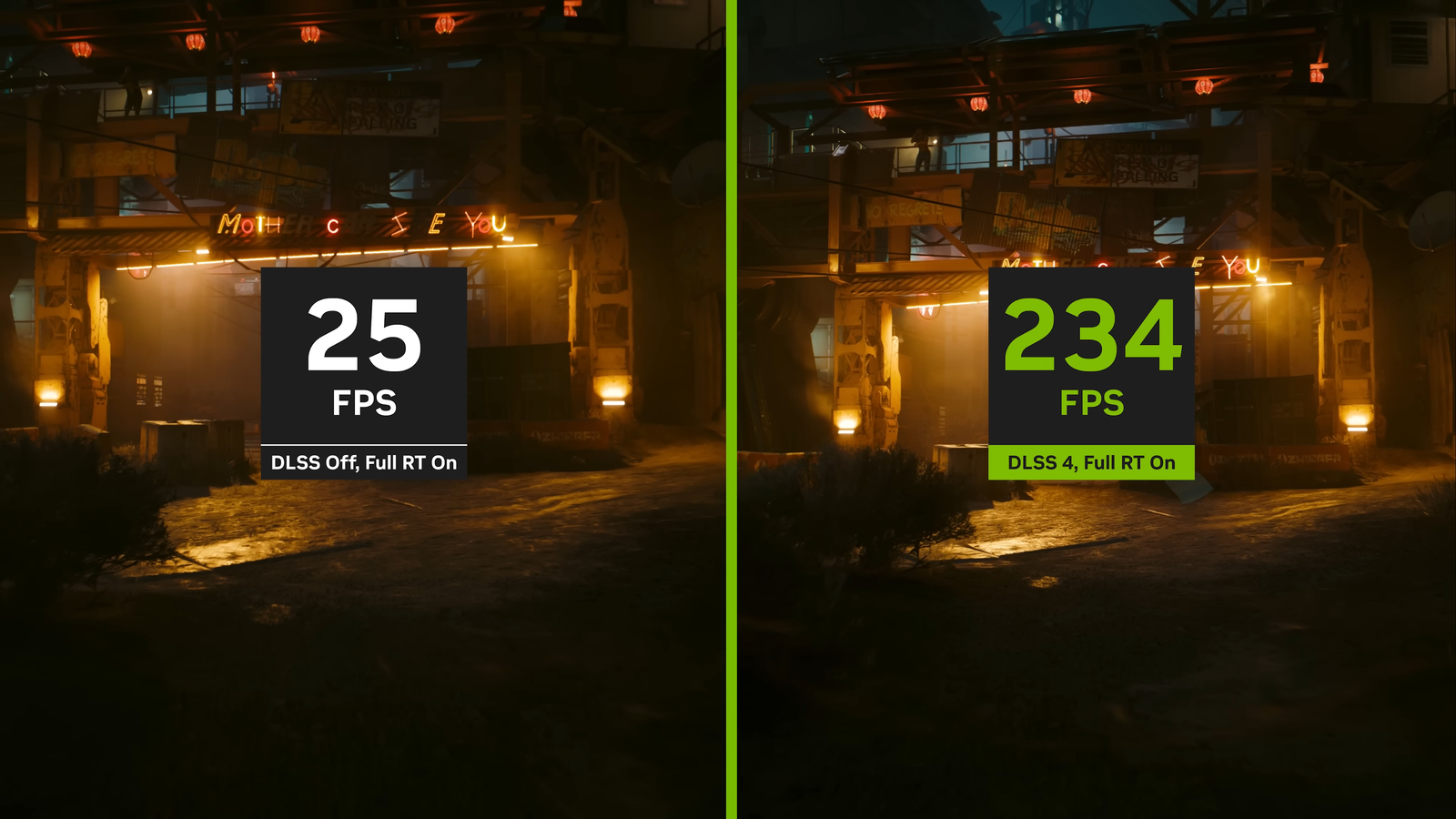
Combine DLSS 5 with DLSS 4 Frame Generation.
This is where things get properly meta. You run DLSS 5 for the visual enhancement, accept the performance hit, then use DLSS 4’s frame generation to claw back the lost frames. The result: better visuals at roughly equivalent performance to native rendering.
It’s AI stacked on AI. Your GPU is simultaneously enhancing lighting and materials whilst generating additional frames. Whether that’s elegant or absurd depends largely on your perspective.
The Catch
Frame generation introduces latency. Combining DLSS 5 with DLSS 4 Frame Generation means you’re adding latency on top of the visual enhancements. For single-player narrative games, that’s probably fine. For competitive multiplayer titles where every millisecond counts? That’s potentially disqualifying.
Community Reaction: The Gaming World Responds
The response to DLSS 5 has been… let’s call it “polarised.”
The Enthusiasts
“This is genuinely transformative technology.” Digital Foundry, typically measured in their assessments, described DLSS 5’s environmental lighting as “approaching offline rendering quality in real-time.” Tom’s Hardware called the materials handling “genuinely impressive.”
Enthusiast communities on r/nvidia and dedicated Discord servers are largely positive, particularly about the potential for remastering older titles. Imagine Skyrim, Fallout 3, or The Witcher 3 with DLSS 5-enhanced lighting. That’s genuinely exciting.
The Sceptics
“This is AI slop applied to gaming.” That’s a direct quote from multiple Reddit threads.
The criticism centres on three concerns:
Artistic integrity: AI shouldn’t be making creative decisions about how games look
Hardware gatekeeping: Locking meaningful visual improvements behind the latest GPU generation feels exploitative
Uncanny valley: The character face enhancements specifically are creeping people out
PC Gamer’s article resonated particularly strongly with this camp. Their conclusion: “I need to see how developers actually use this before I can get excited about it.”
The Industry Response
Developers are cautiously optimistic but emphasising control and choice.
Todd Howard (Bethesda): “DLSS 5 gives us tools we’ve never had before, but we’re approaching it carefully. Players will have extensive options to customise or disable enhancements.”
Capcom’s statement: “Our art directors are working closely with NVIDIA to ensure DLSS 5 complements rather than replaces our creative vision.”
The subtext? Nobody wants to be the studio whose game gets roasted because AI made their carefully crafted characters look like Instagram filters.
Real-World Use Cases: Where DLSS 5 Actually Makes Sense
Let’s be practical. DLSS 5 isn’t for everyone or every game. Here’s where it genuinely adds value:
Remastering Older Titles
This is probably DLSS 5’s strongest use case. Games from the PS3/Xbox 360 era with dated lighting and materials can be dramatically enhanced without touching the source code. Environmental lighting, material interactions, and character models receive modern-quality rendering without the expense of full remasters.
Bethesda’s confirmation of DLSS 5 for Starfield and future titles suggests they’re serious about using it to extend the visual lifespan of their games.
Single-Player Narrative Experiences
Games where visual fidelity matters more than competitive performance—story-driven adventures, open-world exploration, atmospheric horror—benefit enormously. The enhanced lighting and materials genuinely elevate immersion.
Screenshot and Photo Mode Enthusiasts
If you’re the sort of player who spends hours in photo mode capturing perfect shots, DLSS 5’s enhancements are transformative. The difference between standard rendering and DLSS 5-enhanced visuals is immediately obvious in still images.
Where It Doesn’t Make Sense
Competitive multiplayer: The performance cost and added latency are non-starters
Stylised games: Anything deliberately non-photorealistic risks losing its artistic identity
Lower-end hardware: RTX 50 series exclusivity means the vast majority of gamers can’t access it regardless

The Hardware Reality: Should You Upgrade?
Here’s the uncomfortable truth: DLSS 5 alone doesn’t justify upgrading to an RTX 50 series GPU.
Not yet, anyway.
Why Not?
Limited game support: At launch, you’re looking at maybe a dozen titles with DLSS 5 integration. That’s not enough to justify £600-£1,600+ for a new GPU.
Performance cost: The frame rate impact means you’ll be combining it with frame generation, which itself requires careful tuning and introduces latency.
Ongoing refinement: NVIDIA is still optimising DLSS 5. The version launching in autumn 2026 will almost certainly be better than the GTC demo version. Early adoption carries risk.
When It Might Make Sense
If you’re upgrading anyway: Planning to move from an RTX 30 series or older GPU to RTX 50 for other reasons (ray tracing performance, standard DLSS improvements, better rasterization)? DLSS 5 becomes a nice bonus rather than the primary motivation.
If you’re building new: Starting from scratch and targeting high-end gaming? An RTX 5080 or 5090 with DLSS 5 support future-proofs your build for several years.
If specific titles matter: Playing games confirmed for DLSS 5 integration (Starfield, Resident Evil Requiem, Assassin’s Creed Shadows) and wanting maximum visual quality? Then maybe it’s worth considering.
TF2 Smartphone Solutions’ Verdict: Wait and See ⏳
Right. After all that, here’s our honest assessment.
What DLSS 5 Represents
DLSS 5 is genuinely ground-breaking technology. The fact that real-time neural rendering at 4K resolution is even possible represents a massive achievement. NVIDIA has proven that AI can enhance computer graphics in ways beyond simple upscaling or frame generation.
The environmental lighting improvements are legitimately impressive. Materials handling shows real promise. For specific use cases—remastering older games, single-player narrative experiences, photo modes—DLSS 5 delivers meaningful value.
The Concerns We Can’t Ignore
The character face situation needs addressing. If DLSS 5 consistently makes characters look over-processed or “beautified” in ways that contradict developer intent, that’s a fundamental problem. NVIDIA’s control systems need to be robust enough that artists can genuinely preserve their vision whilst still benefiting from enhancements.
Hardware exclusivity is frustrating. We understand the technical reasons—5th-gen Tensor Cores genuinely are required—but locking meaningful visual improvements behind the absolute latest generation creates a two-tier gaming experience.
The performance cost complicates everything. Needing to stack DLSS 5 with DLSS 4 Frame Generation to maintain playable frame rates adds complexity and latency that not every player will tolerate.
Our Recommendation
Don’t rush out and buy an RTX 50 series GPU specifically for DLSS 5. Not yet.
Wait for:
Autumn 2026 launch to see the optimised, single-GPU version
Real-world reviews from trusted sources testing actual game integrations
Developer implementations showing how studios actually use the technology
Community consensus on whether the visual improvements justify the trade-offs
If you’re already planning to upgrade for other reasons, DLSS 5 support is a welcome bonus. But as the sole motivation? It’s premature.
What We’re Excited About
The potential. If NVIDIA addresses the character face concerns, if developers implement it thoughtfully, if performance optimisation continues, DLSS 5 could genuinely redefine what visual quality looks like in real-time gaming.
That GPT moment Jensen mentioned? It might actually be real. Just not quite yet.

The Bigger Picture: What This Means for Gaming’s Future
Step back for a moment. DLSS 5 represents something larger than a single feature update.
We’re watching AI fundamentally reshape computer graphics in real-time. Eight years ago, DLSS 1.0 was a blurry mess that most players disabled. Now, in 2026, AI is generating photorealistic lighting and materials whilst you play.
Where does this go next? DLSS 6 that understands narrative context and adjusts lighting for emotional impact? DLSS 7 that generates entirely new geometry? At what point does the line between developer creation and AI generation become so blurred it’s meaningless?
These aren’t hypothetical questions. They’re the conversations the industry is having right now.
For players, the immediate question is simpler: does this make games better? More beautiful? More immersive? Or does it homogenise artistic vision in service of photorealism?
The answer, frustratingly, is “it depends.” On the game. On the implementation. On what you value in interactive entertainment.
DLSS 5 isn’t good or bad. It’s powerful and complicated and potentially transformative and definitely controversial.
Which, honestly, is exactly what you’d expect from technology that genuinely pushes boundaries.
Ready to Explore DLSS 5?
At TF2 Smartphone Solutions, we’re here to help you navigate the ever-evolving world of gaming technology. Whether you’re considering an RTX 50 series upgrade, curious about DLSS 5’s real-world performance, or simply want to discuss the latest in GPU technology—our expert team is ready.
Visit us in-store, give us a call, or drop by for a chat. We’re passionate about gaming tech, and we’re here to ensure you make informed decisions about your setup.
DLSS 5 launches autumn 2026. We’ll be watching closely. So should you.
Sources:
- NVIDIA GTC 2026 Keynote (16 March 2026)
- Digital Foundry Hands-On Analysis (18 March 2026)
- PC Gamer Coverage (17-20 March 2026)
- Tom’s Hardware Technical Deep Dive (19 March 2026)
- NVIDIA Official DLSS 5 Documentation (March 2026)
- Reddit r/nvidia Community Discussions (16-25 March 2026)
- Bethesda, Capcom, Ubisoft Official Statements (17-18 March 2026)